Elemental diets were originally developed as a high-calorie, minimal-fiber food source for space travel, designed to keep astronauts fully supplied with nutrients and calories while producing as little waste as possible. Over time, this "astronaut food" approach found its way into medicine, now used to support the nutritional needs of many severely ill patients. [1]
What is an elemental diet?
According to the medical reference Pschyrembel, an elemental diet is a low-molecular-weight, fiber-free diet whose components (amino acids, di- and tripeptides, glucose, trace elements, and vitamins) are fully absorbed in the small intestine, reducing the workload on the rest of the digestive tract. Elemental diets are used in chronic inflammatory bowel conditions like Crohn's disease and ulcerative colitis. The reference also notes, as a practical consideration, that this diet form is generally poorly tolerated by patients in terms of acceptance. [2] Most people can probably imagine why. 😉
Elemental diets are typically so easy to digest that they place minimal demand on the gut, since nutrients are absorbed almost entirely in the first section of the intestine. This means the diet can still supply essential nutrients and calories to people with intestinal inflammation, particularly in the lower digestive tract.
It is also worth distinguishing whether a given formula is designed to serve as someone's sole source of nutrition or only as a supplement.
Fully balanced versus supplementary elemental diets
A fully balanced elemental diet contains sufficient nutrients, tailored to the specific condition and patient, to serve as the person's only source of nutrition, no other food is needed. [1] [3]
Not every elemental diet formula meets this bar. Supplementary formulas, unlike fully balanced ones, are not designed to provide complete, long-term coverage of calories, nutrients, and fats on their own.
Overview of uses and forms of elemental diets
Elemental diets were originally intended mainly for gastrointestinal conditions, but their use has expanded considerably over time.
Despite demonstrated benefits in the conditions listed below, this therapy is often poorly received by patients, since it represents a major disruption to daily life and perceived quality of life.
Use in gastrointestinal motility disorders
Beyond Crohn's disease and ulcerative colitis, elemental diets are also used for severe intestinal motility disorders. When peristalsis, the natural movement that transports food through the gut, stops functioning properly, an easily digestible elemental diet is often used to maintain adequate nutrition. Depending on severity, more permanent solutions like feeding tubes may eventually be needed. [1] [3]
Elemental diet in Crohn's disease and ulcerative colitis
In Crohn's disease, elemental diets have been shown to produce high remission rates, one study of over 100 patients found an 85% remission rate, regardless of sex, age, or disease severity. [4]
This is a genuinely impressive number, especially considering that alternative treatments like corticosteroids or immunosuppressants often come with unwanted effects and side effects of their own, and several studies show comparable treatment effects between corticosteroids and elemental diets. That said, relapse rates after elemental diet treatment tend to be somewhat higher than after corticosteroid therapy once patients return to a normal diet. [5]
Elemental diets have also shown some benefit in ulcerative colitis. In cases where high-dose corticosteroid therapy failed, over 40% of patients achieved remission through the use of an elemental diet instead. [6]
Elemental diet in small intestinal bacterial overgrowth (SIBO)
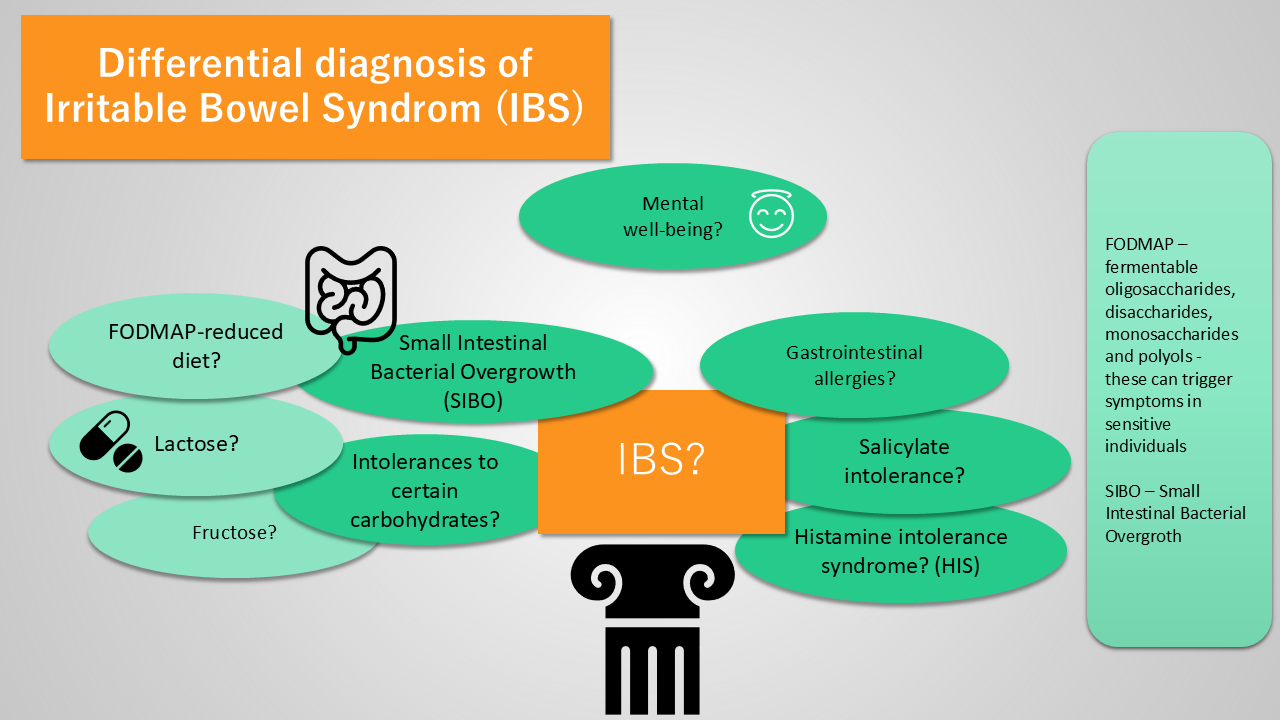
Small intestinal bacterial overgrowth (SIBO) is still a relatively unfamiliar condition to many, but it is a now well-recognized cause of bloating, diarrhea, constipation, and related symptoms. It is thought to be responsible for at least a portion of irritable bowel syndrome cases. [7]
In SIBO, bacteria overgrow in the small intestine, which should normally be relatively sterile. These bacteria break down fiber and other substances, producing gases that can lead to IBS-type symptoms. [7]
The good news is that SIBO is treatable. Alongside antibiotic treatment, elemental diets show a particularly high success rate, since they cut off the food supply these bacteria need to survive in the lower small intestine. [8]
A note on this content: This article covers a health topic. It is important to have your symptoms evaluated and treated by a qualified healthcare professional. This article cannot replace, and is not intended to replace, care and guidance from a professional.
Elemental diet in eosinophilic esophagitis (EoE)
Another application is eosinophilic esophagitis, a condition where food allergens, among other triggers, cause an immune response in the esophagus, leading to difficulty swallowing, pain, and inflammation.
Hypoallergenic elemental diets have led to remission in both children and adults, in one study, in more than 70% of cases. [9]
Elemental diet in MCAS (mast cell activation syndrome) and gastrointestinal allergies
This particular use has not been studied extensively yet, but in clinical practice, people with gastrointestinal allergies, MCAS (mast cell activation syndrome), and multiple intolerances are often so restricted in what they can eat that vitamin and trace element deficiencies, along with unintended weight loss, are far from uncommon.
For patients dealing with many allergies and intolerances, an elemental diet under clinical supervision can be a genuine option for supplying missing nutrients and calories. A hypoallergenic diet can also help calm the inflammatory processes triggered by contact with poorly tolerated food components.
Writing on the informative website of VAEM e.V. (an association supporting allergy and endoscopy research in humans), authors Hetterich, Raithel, and Taumann explain that hypoallergenic formula diets can substantially support avoidance of allergens as well as histamine and other biogenic amines like tyramine and putrescine, while helping prevent nutritional deficiencies. They describe how a hypoallergenic diet leads to a marked reduction in allergic inflammation, something that can be objectively tracked through methylhistamine excretion, and note that liquid diet formulas are now considered an important therapeutic tool for reducing allergic inflammatory activity, preventing further new sensitizations, and maintaining adequate nutrition. [11]
Use in pancreatitis, liver disease, and kidney disease
Elemental diets can also be used in pancreatitis (inflammation of the pancreas) and to support patients with kidney or liver disease. For serious conditions affecting internal organs that require carefully monitored or restricted intake of specific nutrients, a precisely tailored diet formula can offer real benefits. In kidney disease, for example, strict potassium limits are essential, since excess potassium can accumulate and cause heart rhythm disturbances.
Nutrition for swallowing disorders
Liquid diet forms can also be used for swallowing disorders, though in this case, the diet does not necessarily need to be low-fiber or in a fully broken-down "elemental" form. In fact, it is often better if the consistency is not too thin, since this reduces the risk of aspiration. Options here include pureed foods diluted with milk or water, or pudding-like preparations made from regular food.
Supplementary use for unintended weight loss
In cancer and other conditions where unintended, illness-related weight loss (cachexia) can occur, high-calorie drinkable supplements are often used as well. These are not necessarily low-fiber or hypoallergenic, and technically do not count as elemental diets in the strict sense. In gastrointestinal inflammation, though, the fiber-free aspect is intentional, since it is specifically what reduces strain on the gut. [1] [3] [10]
Since elemental diets are not always easy to follow and can carry side effects, they should always be undertaken under medical supervision.
If you are more interested in the practical side, with tips for making life with "astronaut food" more manageable, a companion article covers eleven practical tips for living with an elemental diet.
Have you tried an elemental diet yourself? Feel free to share your experience in the comments.
References
[1] Voigt, Vera. Trinknahrungen: Aus dem All ans Krankenbett. Pharmazeutische Zeitung online. Accessed July 23, 2026. https://www.pharmazeutische-zeitung.de/ausgabe-032011/aus-dem-all-ans-krankenbett/
[2] Pschyrembel. Pschyrembel Online | Elementardiät. Accessed July 23, 2026. https://www.pschyrembel.de/Elementardi%C3%A4t/T01EL
[3] Russel RI. Elemental diets. Gut. 1975;16(1):68-79. doi:10.1136/gut.16.1.68.
[4] Koretz RL, Meyer JH. Elemental diets—Facts and fantasies. Gastroenterology. 1980;78(2):393-410. doi:10.1016/0016-5085(80)90594-6
[5] Teahon K, Bjarnason I, Pearson M, Levi AJ. Ten years’ experience with an elemental diet in the management of Crohn’s disease. Gut. 1990;31(10):1133-1137. doi:10.1136/gut.31.10.1133
[6] Gorard DA, Hunt JB, Payne-James JJ, et al. Initial response and subsequent course of Crohn’s disease treated with elemental diet or prednisolone. Gut. 1993;34(9):1198-1202. doi:10.1136/gut.34.9.1198
[7] Axelsson C, Jarnum S. Assessment of the therapeutic value of an elemental diet in chronic inflammatory bowel disease. Scand J Gastroenterol. 1977;12(1):89-95.
[8] Sachdev AH, Pimentel M. Gastrointestinal bacterial overgrowth: pathogenesis and clinical significance. Ther Adv Chronic Dis. 2013;4(5):223-231. doi:10.1177/2040622313496126
[9] Pimentel M, Constantino T, Kong Y, Bajwa M, Rezaei A, Park S. A 14-Day Elemental Diet Is Highly Effective in Normalizing the Lactulose Breath Test. Dig Dis Sci. 2004;49(1):73-77. doi:10.1023/B:DDAS.0000011605.43979.e1
[10] Warners MJ, Vlieg‐Boerstra BJ, Verheij J, et al. Elemental diet decreases inflammation and improves symptoms in adult eosinophilic oesophagitis patients. Alimentary Pharmacology & Therapeutics. 2017;45(6):777-787. doi:10.1111/apt.13953
[11] Hetterich U, Raithel M, Taumann W. VAEM – Ernährungumstellung, hypoallergene Formulardiäten. Accessed July 23, 2026. http://vaem.eu/1395/4-hypoallergene-formulardiaeten/